 BPC-157 / TB-500 / GHK-Cu
$104.99Select options

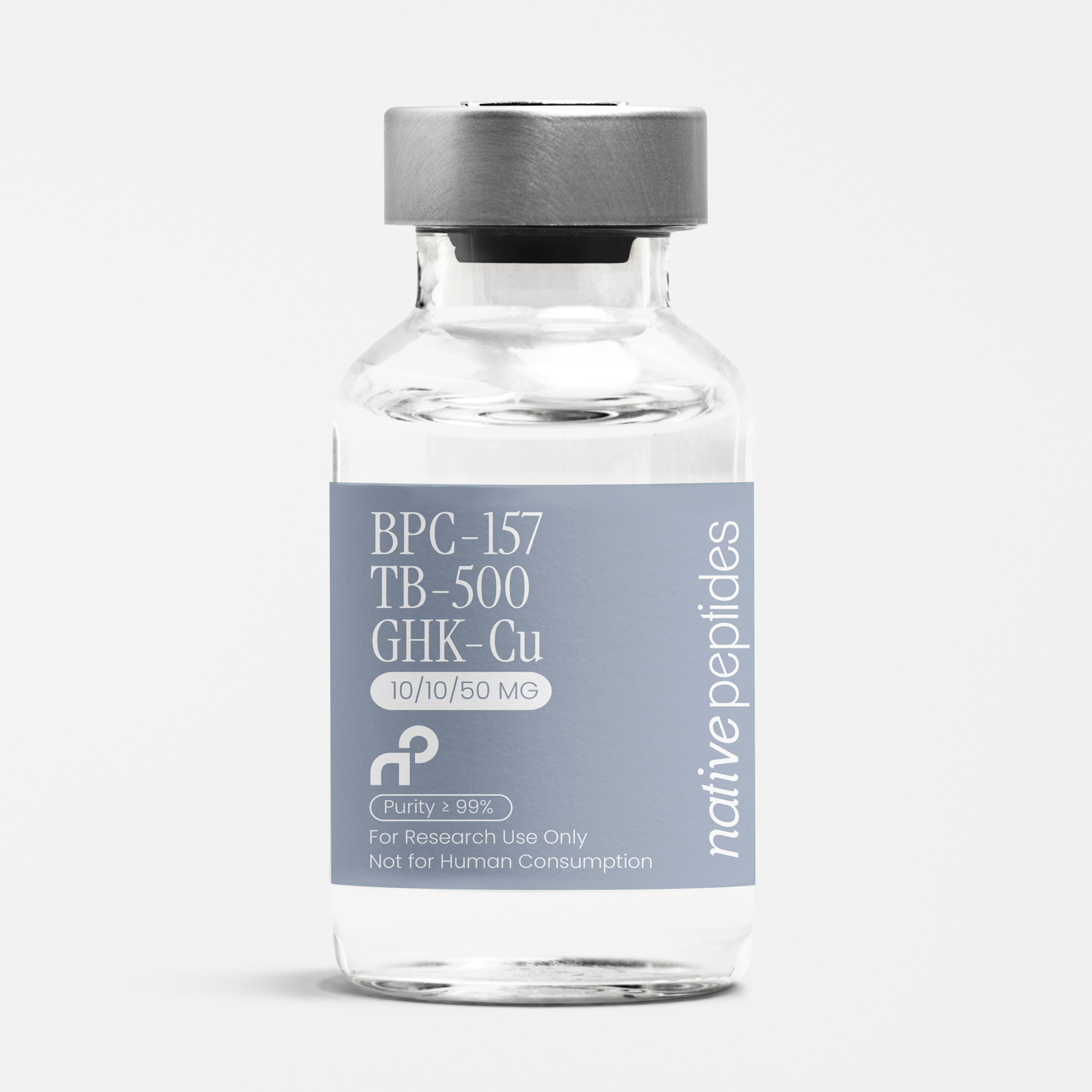
$104.99
This product is intended for laboratory research use only. Not for human consumption or clinical use.
BPC-157 / TB-500 / GHK-Cu combines three research peptides, BPC-157, TB-500, and GHK-Cu, formulated for studies on cellular repair, angiogenesis, and extracellular matrix regulation. BPC-157 is a 15 amino acid gastric peptide fragment that modulates nitric oxide and growth factor pathways. TB-500, a segment of Thymosin Beta-4, influences actin polymerization and tissue remodeling. GHK-Cu is a copper(II)-complexed tripeptide that regulates metalloprotein activity and redox signaling. Together, these peptides are used in research examining molecular regeneration, cytoprotection, and peptide–metal interaction mechanisms.
The BPC-157 + TB500 (Thymosin Beta 4) + GHK-Cu Blend is a composite research formulation developed to facilitate investigation into the combined biological activity of three extensively studied bioactive peptides. Each component peptide has been independently evaluated in preclinical and experimental systems for its role in inflammation modulation, tissue repair processes, angiogenesis, cytoprotection, and regulation of gene expression. While BPC-157, TB500, and GHK-Cu share overlapping functional domains, their molecular targets and intracellular signaling pathways are distinct. The rationale for combining these peptides lies in the hypothesis that parallel modulation of nitric oxide signaling, cytoskeletal dynamics, extracellular matrix remodeling, and oxidative stress responses may produce additive or synergistic effects in controlled research models. This blend is supplied to support experimental designs focused on multi-pathway signaling analysis, comparative wound repair models, inflammatory pathway regulation, and systems-level investigation of coordinated tissue responses under laboratory conditions.
Each batch is tested and documented to support research transparency and consistent research workflows. Certificates of Analysis (COAs) are provided by batch so researchers can reference the specific analytical results tied to the exact lot associated with their order. This supports clearer recordkeeping, improved comparability across experiments, and stronger traceability over time.
Quality documentation is designed to help researchers confirm key batch attributes before use, including identity verification and purity results using established analytical methods such as HPLC and mass spectrometry where applicable. COAs typically include the batch identifier, test methods performed, and reported results, allowing researchers to maintain complete lab records and improve reproducibility across protocols and study timelines.
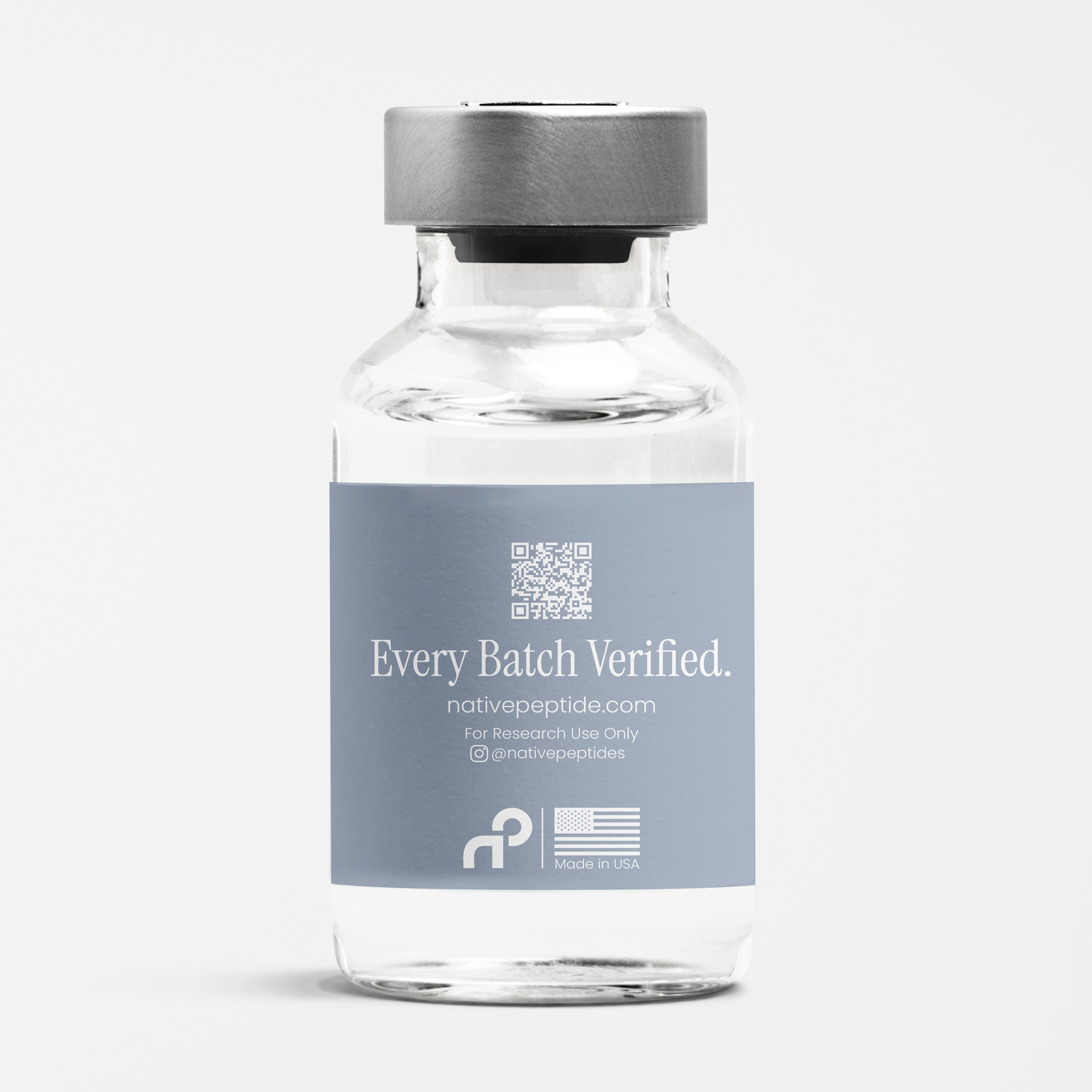
Every unit is associated with a batch identifier to support traceability and reproducible research. Batch tracking helps researchers link their materials to the exact analytical documentation for that production lot, which is important when comparing results across different runs, timelines, or study conditions. This also makes it easier to maintain clean lab records and verify continuity when repeating protocols.
Certificates of Analysis (COAs) are organized by batch so you can reference the specific results tied to the batch you received. To use this system, locate the batch number on the vial label or packaging and match it to the corresponding COA for that SKU. Save the COA and batch number alongside your research notes so your documentation stays complete and auditable over time.
High-Performance Liquid Chromatography confirms peptide purity and identity.
Molecular weight verification through advanced mass spec analysis.
LAL assay confirms endotoxin levels meet strict specifications.
All products on this site are for research and development use only. Products are not for human consumption of any kind. The statements made on this website have not been evaluated by the US Food and Drug Administration. The statements and the products of this company are not intended to diagnose, treat, cure, or prevent any disease.
Native Peptides is a chemical supplier. Native Peptides is not a compounding pharmacy or chemical compounding facility as defined under Section 503A of the Federal Food, Drug, and Cosmetic Act. Native Peptides is not an outsourcing facility as defined under Section 503B of the Federal Food, Drug, and Cosmetic Act.
All products are sold for research, laboratory, or analytical purposes only, and are not for human consumption.
BPC-157 / TB-500 / GHK-Cu